I’ve been collecting arcade stuff for about 20 years, and have piles of arcade manuals and flyers that I’ve been meaning to scan some time.
Looking at how to best do this, I found a bunch of people scanning old stuff in the Gaming Alexandria and VGPC Discords, as well as a great guide at https://scanning.guide …
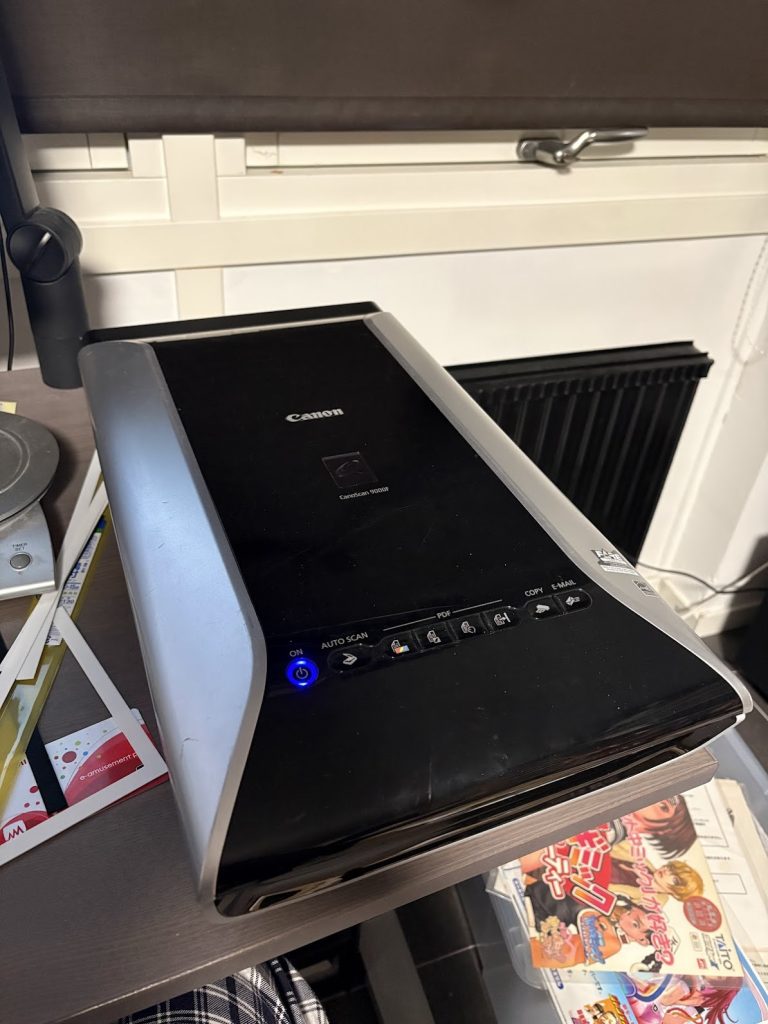
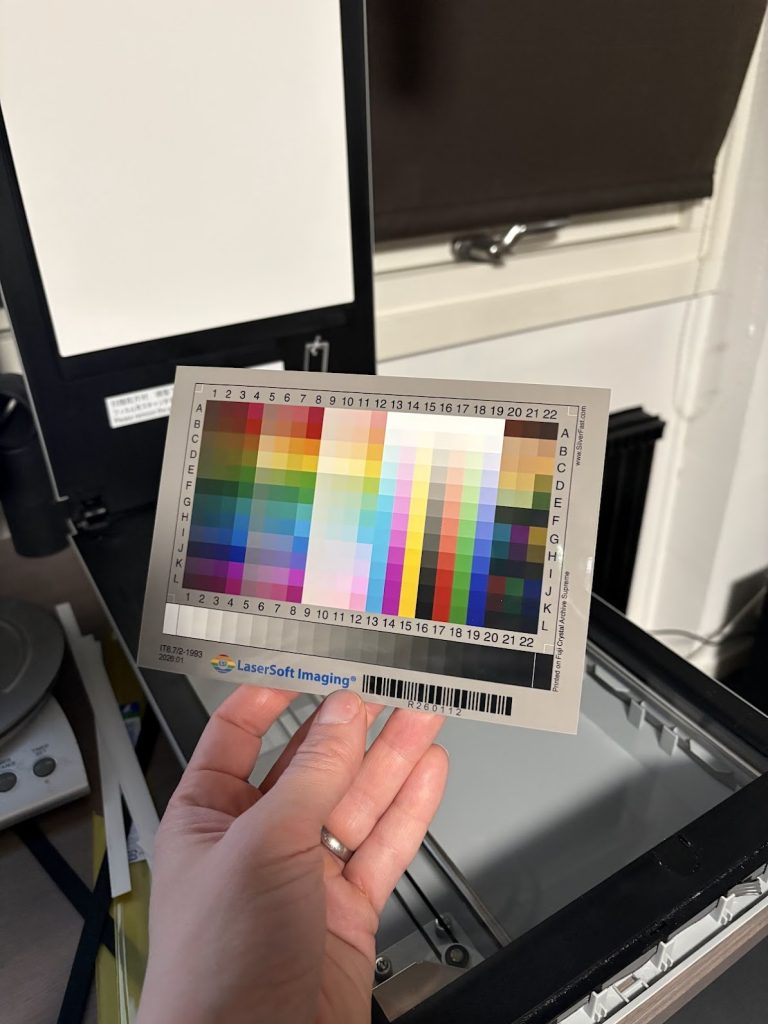
… and this rabbit hole went deeper than I expected, so now I have a CanoScan 9000F and stuff for doing proper color calibration and things.
I’ve been putting stuff on https://archive.org/details/@buffis for now, where earlier stuff will be worse quality than later things since I’m learning as I do this. Ideally I’d want a personal mirror for my scans somewhere as well at some point.
Anyways, this is pretty fun and I don’t really have any advice in this space other than following the https://scanning.guide instructions, since they definitely know this shit way better than me.
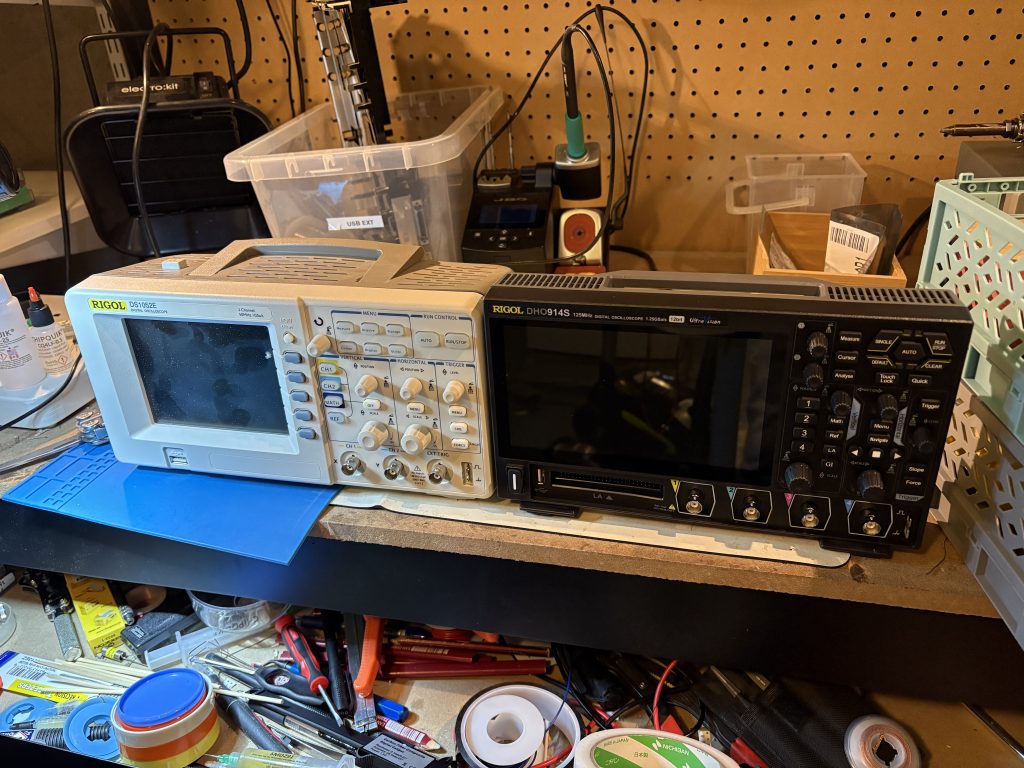
After having used my old Rigol DS1042E for about 11 years, I finally upgraded to a fancier 4 channel scope.
Picked up a Rigol DHO914S which also will replace my old junky aliexpress function generator.
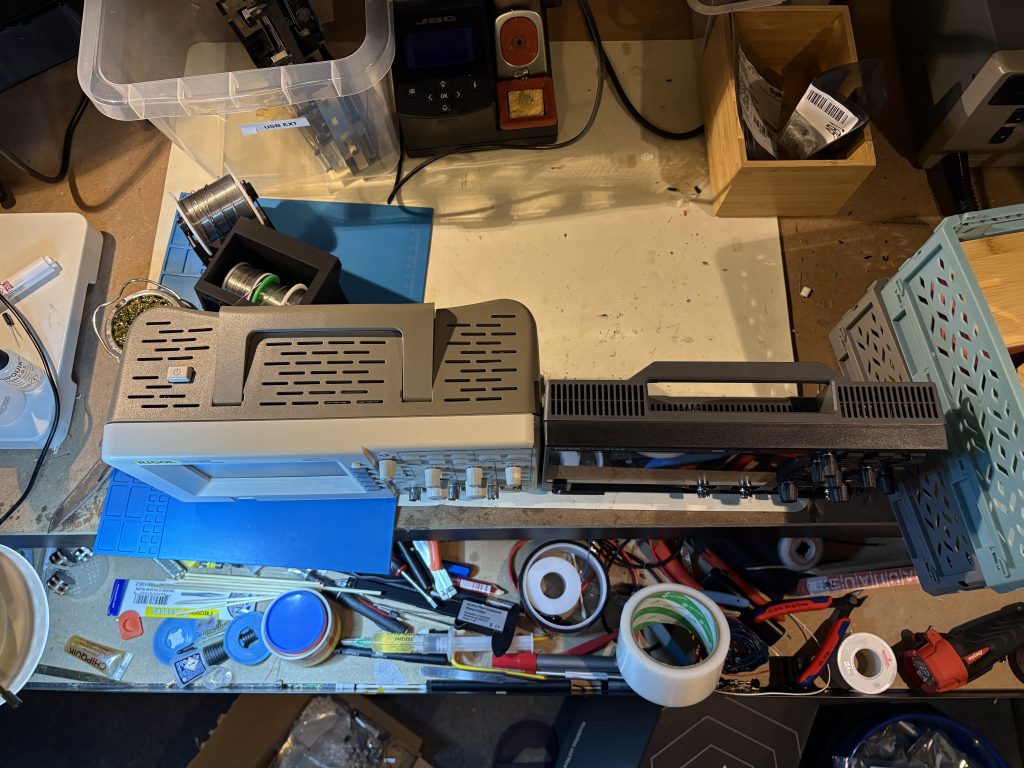
The newer Rigol scopes sure are tiny! I guess this is partly due to the PSU no longer being internal. Very cute.
Haven’t had time to test run this thing much yet but seems pretty nice. Startup time is crazy long when not using sleep mode though, but I guess I’ll have to live with that.
I have dumped a fair amount of arcade ROMs for preservation purposes (a few notable examples being alternative revisions of Batsugun and Dogyuun, as well as several Namco System 10 games), and currently my preferred programmer is a Elnec BeeProg 2C.
This is a nice device, with a big drawback. It’s expensive and the adapters for it are proprietary and very expensive. A single adapter can cost over 200eur and will only be useful for a certain type of IC’s, and this doesn’t just mean the packages type. As an example, TSOP48 NOR and NAND flash will require different adapters.
Easily over 1000EUR in adapters…
Getting one of these if you only want to dump a few ROMs probably won’t make much sense, but if you are an advanced hobbyist, I think throwing money at this problem is well worth it.
So why get this instead of something cheaper?
Simply put, after using different types of cheap Chinese universal programmers I got annoyed enough that I felt the need to upgrade to something that:
Has support for (essentially) all type of chips I’ll want to dump.
Produces reliable dumps that I feel like I can trust.
Writes ROMs reliably with high success rate.
Support writing old CPLD’s with proper vendor algorithms.
Feels like a professional device. Has a known manufacturer with non-suspicious software.
Elnec Beeprog2 checks all these boxes. It’s expensive, but KNOWING that it will produce reliable results is worth the extra spend to me.
One of these is not like the others
… So, what’s so bad about the cheap ones?
Quite a few things really, lets try to break it down into a few sections.
The software
Getting software for the cheap universal programmers means dealing with one of the following:
Needs to be fetched from random electronics forums, because there’s no homepage for the maker of them or any official means to get the software. Sometimes they ship with this software on a CD. Sometimes they won’t.
Can be downloaded from an official webpage that look sketchy as fuck. Hell, TL866II/Xgecu is very popular and their official support is some random QQ email and the software is hosted on mediafire.
It’s not a bad idea to have a separate PC just to use these types of software, cause I have zero faith that they won’t include malware…
… especially since I experienced that myself when I bought a RT809H (don’t ever do this). The software for this device is full of viruses. This is true both for the included CD and from the official website.
If you see this programmer, run away.
Additionally, the UI for the software itself usually looks sort of sketchy, although I will admit the TL866/XGecu software is not too bad, if ignoring the poor translation from Chinese.
Reliability
I’ve had experiences with both incorrect reads and failed writes at a higher rate on the cheaper devices, especially TOP3000. While this can be mostly sidestepped for dumping by reading a ROM several times and making sure that checksums are consistent, it’s not a good feeling.
Failures on burning EPROMs were not uncommon for me with these devices either.
Some devices such as TL866II require manual splitting of larger DIP ROMs, which introduces points of potential failures.
I don’t have high hopes that these devices properly implement the algorithms and settings of more unusual devices, but usually they will kindof work.
Device support
Dumping common ROMs will usually work, but when having to read or write more obscure parts, the cheaper programmers just won’t work at all. For roms this can mean things like TL866II not supporting larger Flash ICs, but I’ve also hit this several times when having to dump devices with internal roms. One recent example is MX10EXA internal rom on “Crazy Bugs”.
Original one + repros. You wont write to these with a cheap programmer.
If you are going to dump and/or build stuff as a hobby, you will keep running into issues like this basically. It is not great.
Ok… but is it a Beeprog worth it though?
I mean… if you have sufficient disposable income to motivate buying one without significantly impacting your personal economy, and want to make sure you have a reliable device that always works then yeah, definitely!
If you just want to burn/dump a few common types of ROMs then probably not.
It’s the same as any other tool really. If you just wanna do some simple cuts of plywood, you don’t need a Festool TS 55 track saw… but if you are going to use it a lot, you are unlikely to regret getting it. For now I’m just renting a TS 55 when I need one, but there is no such option for a Beeprog…